Spruce Tree Removal in Allentown, PA
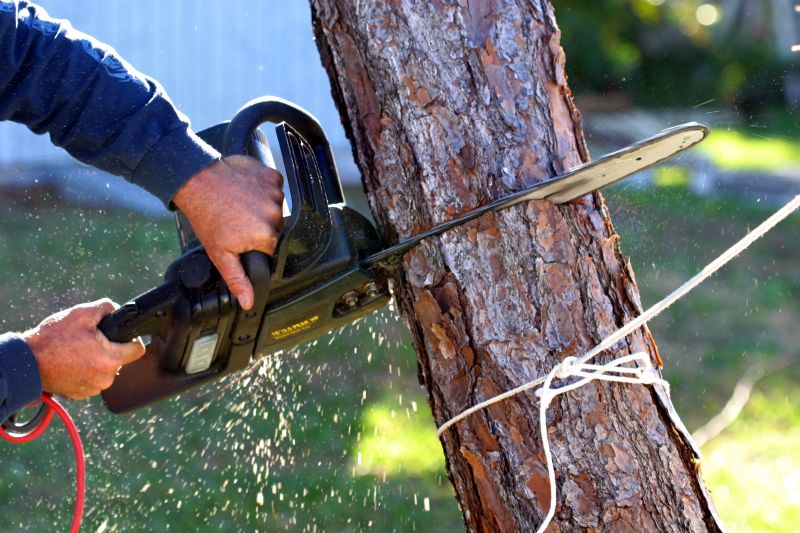
Spruce tree removal services involve the careful process of removing unwanted or hazardous spruce trees from residential or commercial properties. This service covers a variety of projects, including the removal of dead, diseased, or damaged trees, clearing space for new landscaping, or addressing safety concerns caused by overgrown or unstable trees. Property owners often seek this service to prevent potential property damage, eliminate obstructions, or improve the overall appearance of their yard.
Before requesting spruce tree removal, property owners should consider the size and location of the tree, as well as any potential impact on surrounding structures or landscaping. It’s important to assess whether the tree is close to power lines, buildings, or other valuable plants, as this can influence the complexity of the removal process. Understanding these factors helps ensure that the project is planned and executed safely and efficiently.
Many property owners in Allentown, PA look into Spruce Tree Removal for repairs, replacements, upgrades, and appearance-related improvements.
Reasons For Tree Removal
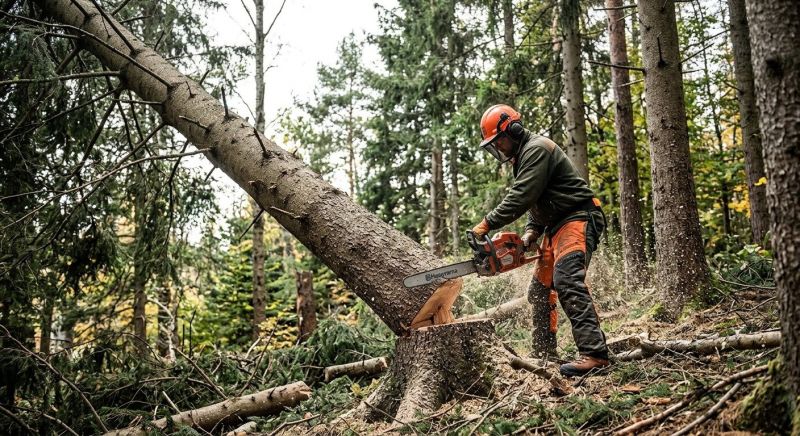
Trees may need removal due to disease, damage, or safety concerns on residential properties.
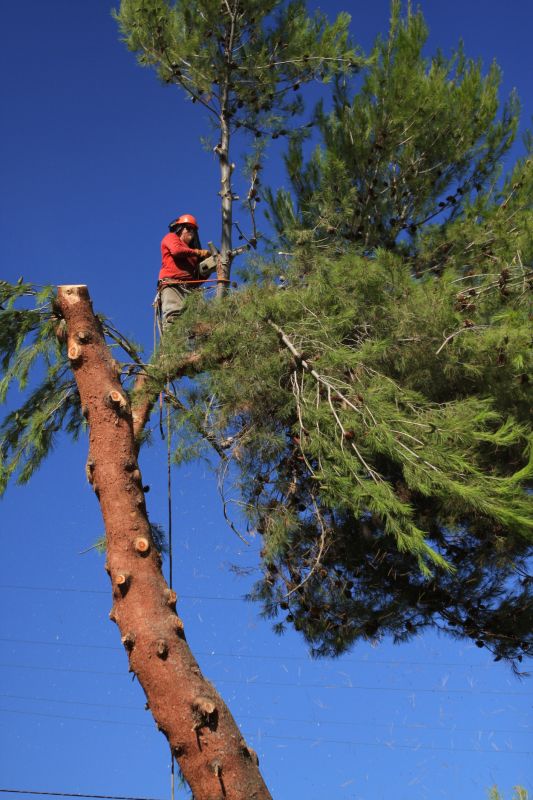
Tree Removal Process
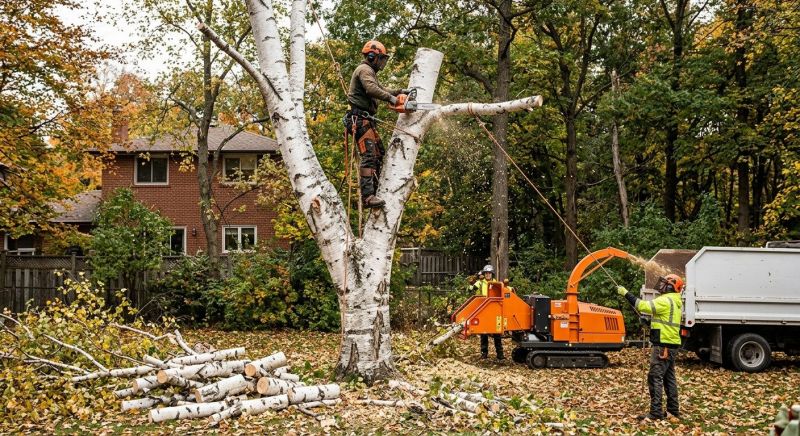
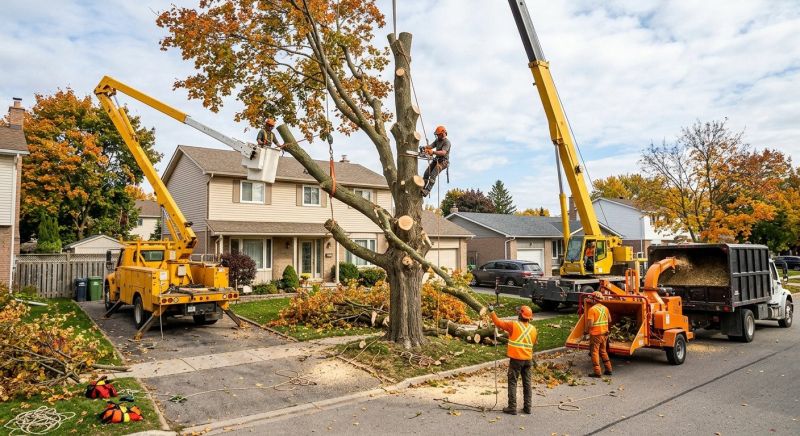
Proper techniques ensure safe and efficient removal of spruce trees while minimizing impact on the surrounding landscape.
Post-Removal Care
Stump grinding and site cleanup help restore the area after spruce trees are removed in allentown and nearby neighborhoods.
Spruce Tree Removal in Allentown, PA
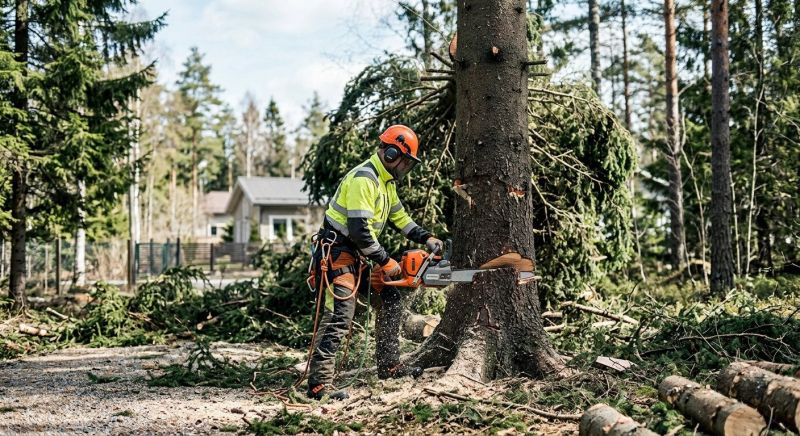
Spruce tree removal services involve the careful process of removing unwanted or hazardous spruce trees from residential or commercial properties. This service covers a variety of projects, including the removal of dead, diseased, or damaged trees, clearing space for new landscaping, or addressing safety concerns caused by overgrown or unstable trees. Property owners often seek this service to prevent potential property damage, eliminate obstructions, or improve the overall appearance of their yard.
Before requesting spruce tree removal, property owners should consider the size and location of the tree, as well as any potential impact on surrounding structures or landscaping. It’s important to assess whether the tree is close to power lines, buildings, or other valuable plants, as this can influence the complexity of the removal process. Understanding these factors helps ensure that the project is planned and executed safely and efficiently.
Many property owners in Allentown, PA look into Spruce Tree Removal for repairs, replacements, upgrades, and appearance-related improvements.
Common Spruce Tree Removal Jobs
Tree Removal - safely removing trees that pose a risk to property or safety.
Stump Grinding - grinding down tree stumps to improve yard appearance and prevent pests.
Emergency Tree Clearing - addressing storm-damaged or fallen trees quickly and efficiently.
Selective Tree Removal - thinning or removing specific trees to promote healthy landscape growth.
Hazard Tree Inspection - assessing trees for potential hazards and recommending removal if needed.
Root Zone Clearing - removing roots that interfere with construction or landscaping projects.
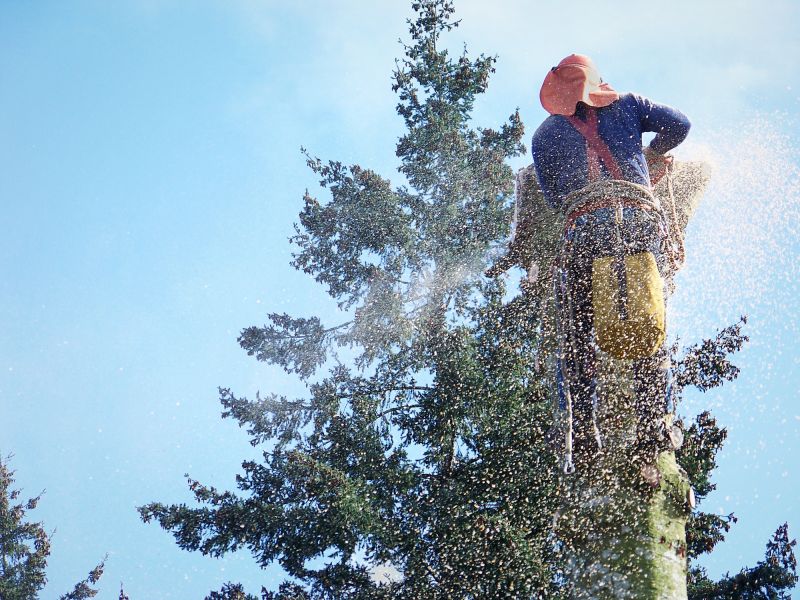
Spruce Tree Removal Questions
What types of trees can be removed? Most common tree species in the area can be safely and efficiently removed by professionals, including dead or hazardous trees.
When is tree removal necessary? Tree removal is recommended when a tree is diseased, damaged, posing a safety risk, or interfering with property development.
What should property owners consider before removal? It's important to assess the tree's location, size, and potential impact on surrounding structures or landscaping.
Is stump removal included in tree removal services? Stump removal can be requested separately or included, depending on the specific service plan chosen.
Request Spruce Tree Removal in Allentown, PA
Use the quote form on this page to share the basics of your project and request more information for the type of work you need.