Cherry Tree Removal in Doylestown, PA
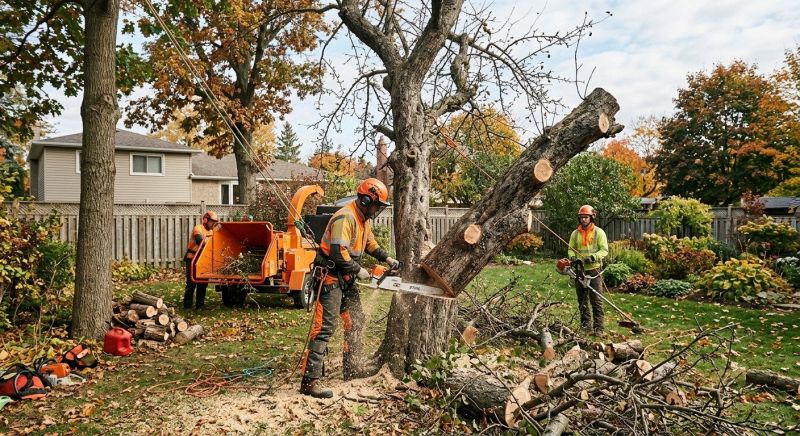
Cherry tree removal services involve the safe and efficient elimination of cherry trees that are damaged, diseased, or no longer desired on a property. This type of project typically covers the complete removal of the tree, including roots, to prevent regrowth, and may also include the cleanup of debris left behind. Homeowners often request cherry tree removal when trees pose safety risks, interfere with construction or landscaping plans, or when they have become unhealthy or unsightly.
Before requesting cherry tree removal, property owners should consider factors such as the size and location of the tree, potential impacts on surrounding structures or plants, and any local regulations or permits required for removal. Understanding the extent of the work involved and the condition of the tree can help in planning the project effectively. It is also helpful to evaluate whether additional services, like stump grinding or site restoration, might be needed after the tree is removed.
Many property owners in Doylestown, PA look into Cherry Tree Removal for repairs, replacements, upgrades, and appearance-related improvements.
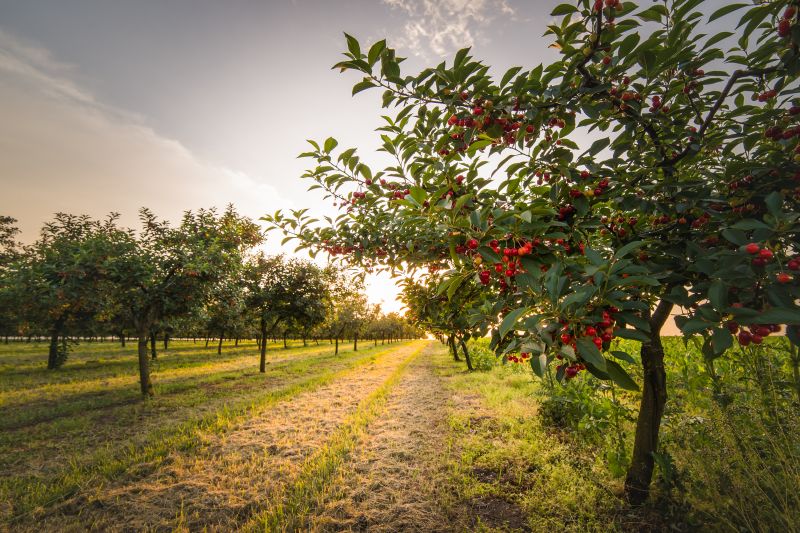
Reasons For Cherry Tree Removal
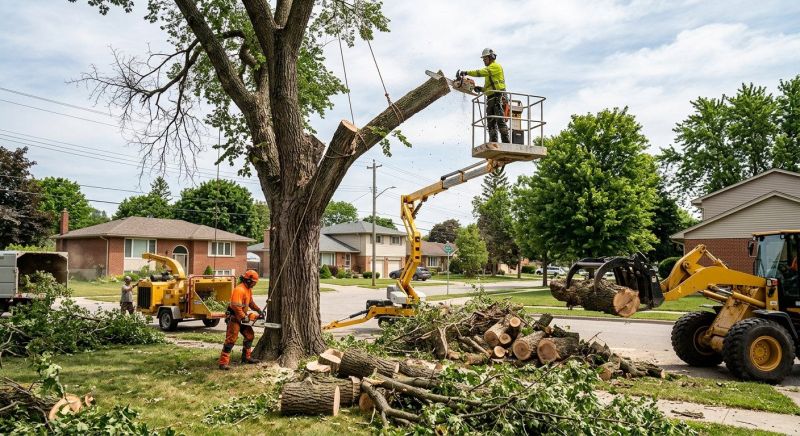
Trees may be removed due to disease, damage, or to prevent interference with structures.
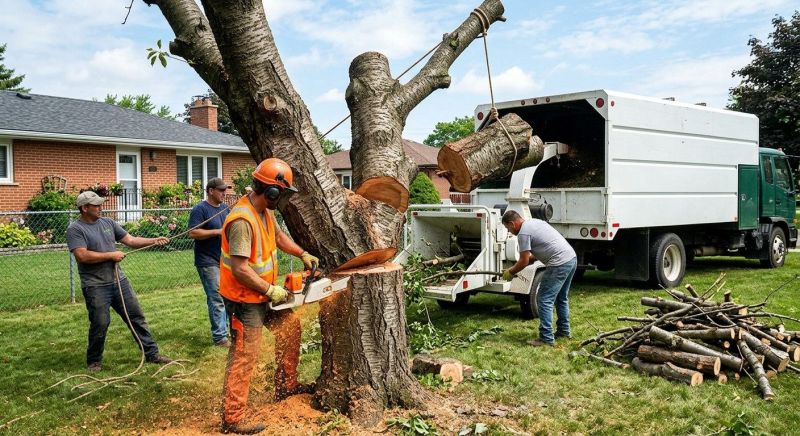
Safe Removal Techniques
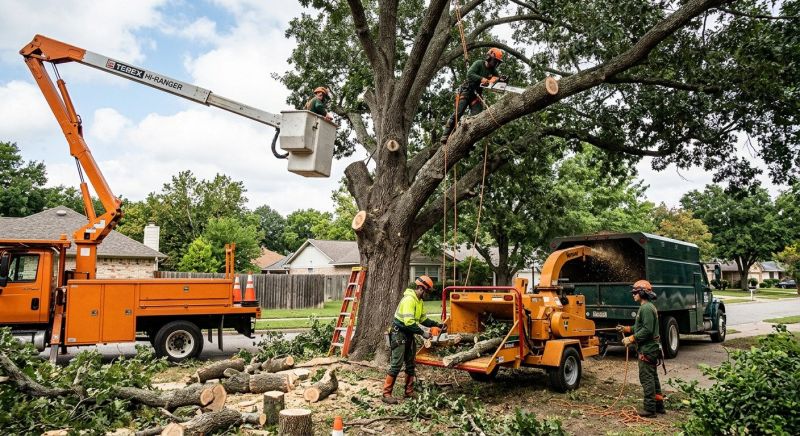
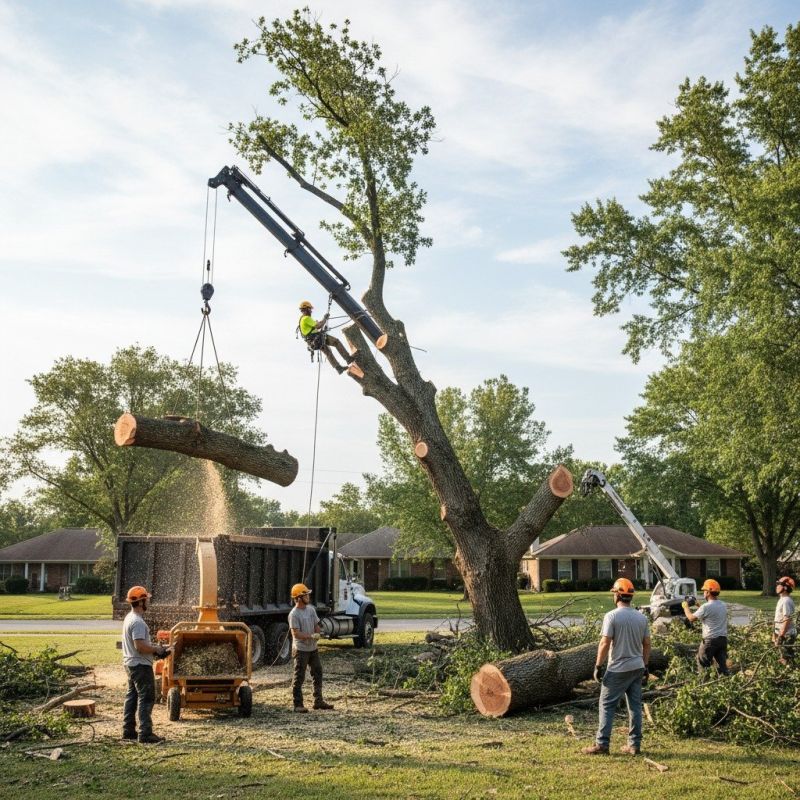
Proper tools and methods ensure the safe and efficient removal of unwanted cherry trees.
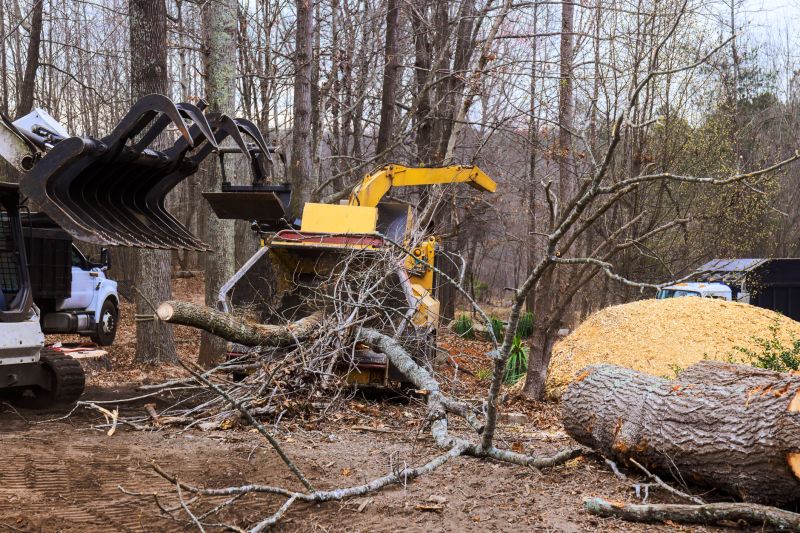
Post-Removal Cleanup
Clearing debris and restoring the landscape helps maintain the health and appearance of your property in doylestown, pa.
Cherry Tree Removal in Doylestown, PA
Cherry tree removal services involve the safe and efficient elimination of cherry trees that are damaged, diseased, or no longer desired on a property. This type of project typically covers the complete removal of the tree, including roots, to prevent regrowth, and may also include the cleanup of debris left behind. Homeowners often request cherry tree removal when trees pose safety risks, interfere with construction or landscaping plans, or when they have become unhealthy or unsightly.
Before requesting cherry tree removal, property owners should consider factors such as the size and location of the tree, potential impacts on surrounding structures or plants, and any local regulations or permits required for removal. Understanding the extent of the work involved and the condition of the tree can help in planning the project effectively. It is also helpful to evaluate whether additional services, like stump grinding or site restoration, might be needed after the tree is removed.
Many property owners in Doylestown, PA look into Cherry Tree Removal for repairs, replacements, upgrades, and appearance-related improvements.
Common Cherry Tree Removal Jobs
Cherry Tree Removal - Safe removal of unwanted or hazardous cherry trees from residential properties.
Stump Grinding - Complete stump removal to prevent regrowth and improve yard safety.
Tree Health Assessment - Evaluation of cherry trees to determine if removal is necessary due to disease or damage.
Property Clearing - Removal of multiple trees or large cherry trees to clear space for landscaping or construction.
Emergency Tree Removal - Rapid response to fallen or unstable cherry trees that pose safety risks.
Tree Disposal Services - Proper disposal of removed cherry trees and debris to keep the property tidy.
Cherry Tree Removal Questions
Why remove a cherry tree? Removal may be necessary if the tree is diseased, poses a safety risk, or is interfering with property development.
Is cherry tree removal safe for nearby structures? Proper techniques ensure that surrounding structures are protected during the removal process.
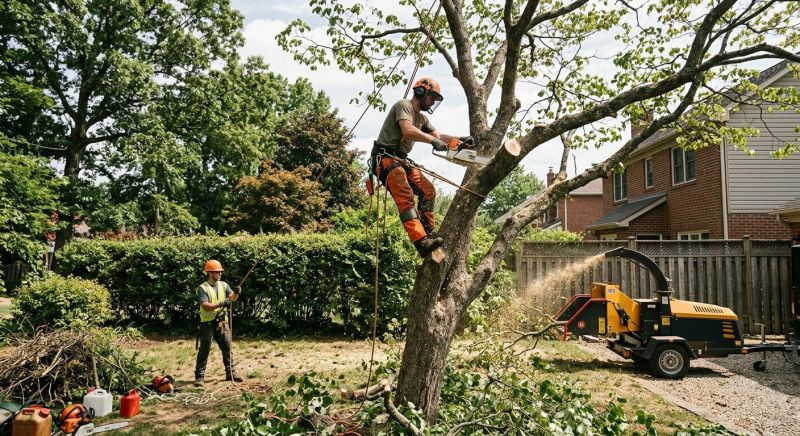
What equipment is used for cherry tree removal? Heavy-duty tools like chainsaws, cranes, and rigging gear are typically employed for efficient removal.
When is the best time to remove a cherry tree? Dormant seasons, such as late fall or winter, are often preferred for removal to minimize impact on the landscape.
Request Cherry Tree Removal in Doylestown, PA
Use the quote form on this page to share the basics of your project and request more information for the type of work you need.